
Understanding Brazilian Superfoods in Toronto: A Functional Medicine Guide to Acerola
POSTED ON TORONTO FUNCTIONAL MEDICINE CENTRE
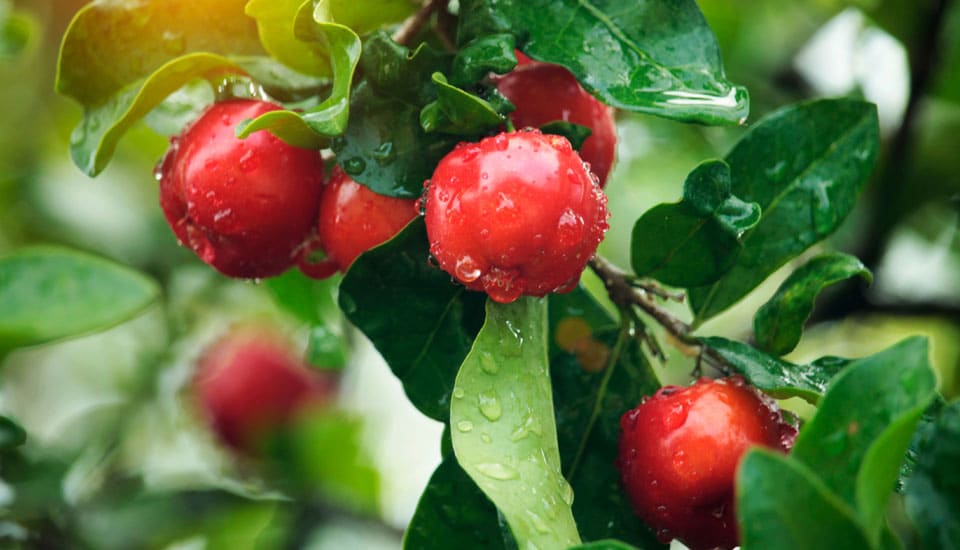
When exploring Brazilian superfoods in Toronto, acerola is an interesting fruit to discover because it’s naturally high in vitamin C and contains a variety of plant compounds.
Also called Barbados cherry or West Indian cherry, acerola grows throughout parts of Central America, the Caribbean, and South America, with Brazil being a major producer. Because the ripe fruit is highly perishable, it’s often processed soon after harvesting into frozen pulp, juice, and powder. Although fresh acerola can be difficult to find in Canadian grocery stores, other formats may be available through specialty food retailers and online suppliers.
For those interested in functional medicine, acerola offers an opening to explore how nutrient-dense foods can contribute to a balanced, varied diet. In this guide from our Toronto integrative and functional medicine clinic, we examine acerola’s nutritional properties, practical ways to enjoy it, potential health benefits, and the environmental considerations surrounding its processing.
Why Is Acerola Considered a Brazilian Superfood?
The term superfood is an expression that generally describes foods with prominent amounts of certain nutrients or plant compounds. It’s not a formal scientific or nutritional classification.
Acerola is often described as a superfood because of its high vitamin C content. A review published in the Journal of Food Science and Technology reported substantial variation in vitamin C concentrations across acerola samples, reflecting differences in fruit variety, maturity, growing conditions, and processing. The fruit also contains naturally occurring plant compounds, including flavonoids, anthocyanins, carotenoids, and phenolic acids. Just note, acerola’s nutritional composition can vary according to the fruit variety, maturity, growing conditions, processing methods, and storage conditions.
Vitamin C contributes to several normal physiological functions. It acts as an antioxidant, supports normal immune function, and is required for forming collagen. It also helps the body absorb non-heme iron from plant-based foods. Nevertheless, the presence of these nutrients does not, by itself, establish that consuming acerola prevents illness, reduces inflammation, or produces specific clinical benefits. Its nutritional value is best considered within the context of an overall dietary pattern.
For people exploring functional nutrition, acerola is one example of how fruits can offer different nutrients and plant compounds when part of a varied diet.
How Can You Try Acerola in Toronto?
Fresh acerola may be difficult to find in Canadian markets, but several other forms can be incorporated into daily meals. These include:
-
- Acerola powder: Acerola powder can be added to smoothies, yogurt, oatmeal, or homemade fruit bowls. Its naturally tart flavour may complement sweet ingredients! Check the product label for added sugars, serving size, vitamin C content, and other ingredients.
- Frozen acerola pulp: Specialty Brazilian and Latin American food retailers may carry frozen acerola pulp. It can be blended into smoothies or combined with other fruits. Follow the storage and preparation instructions on the package.
- Acerola juice: Drinking acerola juice is another way to enjoy the fruit! Read the labels to determine whether the product contains added sugars, concentrates, or other ingredients. Portion size also matters, particularly when choosing fruit juices as part of your daily diet.
- Acerola supplements: Acerola is also used as an ingredient in some vitamin C and botanical supplements. The amount of vitamin C provided can vary considerably between products. Before choosing a supplement, consider your existing diet, other supplements and medications, and any relevant health conditions. More vitamin C supplementation is not necessarily appropriate for everyone, and high supplemental intakes can cause digestive issues in some people. A qualified healthcare practitioner can help determine whether supplementation is appropriate for your unique circumstances.
Potential Health Benefits of Acerola: What Does the Evidence Suggest?
Research has examined several aspects of acerola’s nutritional composition and potential biological effects. Here’s what the available evidence suggests:
1. Vitamin C and Normal Skin Health
Vitamin C is necessary for synthesizing collagen. Collagen is a structural protein found in skin and connective tissue, and it also contributes to wound healing. Acerola cherry is rich in vitamin C and antioxidants that may support collagen production, skin elasticity, and protection against oxidative stress. Its natural phytonutrients may also promote skin repair, a brighter complexion, and overall healthy skin aging.
Research has also investigated acerola extracts in relation to skin pigmentation. For example, a study published in Bioscience, Biotechnology, and Biochemistry examined a polyphenol extract from acerola in the context of UV-induced pigmentation. But findings from an extract study cannot be interpreted as proof that eating the whole fruit produces the same effect. Remember, a balanced diet that supplies adequate vitamin C and other essential nutrients is one component of supporting skin health.
2. Vitamin C and Normal Immune Function
Vitamin C contributes to immune system functioning. Acerola can provide dietary vitamin C, although how much it offers is based on the amount consumed and the product’s nutrient content.
Researchers have also investigated the biological activity of acerola’s other plant compounds. A review published in the International Journal of Molecular Sciences discussed potential anti-inflammatory effects identified in experimental research. These findings are useful for understanding possible mechanisms, but they cannot confirm that consuming acerola prevents infections, treats inflammatory conditions, or reliably improves immune outcomes in people. While experimental findings offer insights into acerola’s potential biological activity, further human research is needed to establish if consuming the fruit produces specific health benefits. A varied diet, adequate sleep, and regular physical activity remain important components of general health.
3. Vitamin C and Plant-Based Iron Absorption
One practical way to include acerola in a balanced diet is to pair it with foods that contain non-heme iron. Non-heme iron is found in plant foods such as lentils, beans, chickpeas, tofu, and pumpkin seeds. Vitamin C can enhance the absorption of this form of iron when consumed as part of a meal. For example, a vitamin C-rich fruit or beverage can accompany a meal containing lentils or beans. Acerola is one possible option, as other fruits and vegetables can also provide vitamin C.
People with suspected or confirmed iron deficiency should seek appropriate assessment, not rely on dietary changes alone. The appropriate treatment depends on the cause and severity of the deficiency. A healthcare provider can assess whether further laboratory testing, dietary changes, or iron supplementation is appropriate.
4. Acerola and Vitamin C Absorption
A small human study published in Biological & Pharmaceutical Bulletin examined vitamin C absorption and excretion following the consumption of acerola juice compared with isolated ascorbic acid. Plasma vitamin C exposure tended to be higher after acerola juice, while urinary vitamin C excretion was lower at several measured time points. These findings suggest that components of acerola juice may influence vitamin C levels in the body.
5.Acerola and Environmental Sustainability
Acerola is an interesting example of how food processing byproducts may be put to use. Processing fruit into juice and other ingredients can generate materials such as peels, seeds, and pomace. Researchers have investigated these by-products as potential sources of plant compounds, fibre, and other materials that may have applications in food production. In fact, one review published in Food Chemistry examined bioactive compounds found in acerola pomace and discussed possible uses for these materials.
Research has explored applications, such as natural food ingredients, colourants, and components, in certain food formulations. Still, the commercial use of these byproducts varies, and their potential applications require appropriate assessment for safety, quality, and suitability.
Generally speaking, reducing food waste and making thoughtful purchasing decisions can contribute to sustainable food practices. The environmental impact of any particular product also depends on its production, processing, packaging, and transportation.
What Can Acerola Teach Us About Environmental Awareness?
Understanding acerola involves looking beyond its nutritional profile to consider the environment in which it grows and how it reaches our plates.
As a tropical fruit cultivated in regions such as Brazil, acerola connects us to the relationships between climate, agricultural practices, biodiversity, and food production. Its short shelf life also highlights how harvesting, processing, transportation, and food waste influence the journey from farm to consumer.
From a functional medicine perspective, environmental awareness can stretch our understanding of nutrition by encouraging us to consider not only the nutrients in our food, but also where it comes from, how it’s produced, and how resources are used. Exploring Brazilian superfoods, such as acerola, can potentially inspire informed food choices, while highlighting the importance of sustainable agricultural practices and responsible food processing.
Suggested reading: 8 Functional Medicine Wellness Tips for Toronto Athletes Over 40
Exploring Brazilian Superfoods with Functional Medicine in Toronto
Functional medicine often considers nutrition alongside a person’s health history, lifestyle, dietary patterns, and relevant clinical findings. Within this approach, nutrient-dense foods such as acerola can be discussed as part of a varied and balanced eating pattern.
At the Toronto Functional Medicine Centre, nutritional discussions may include food choices, dietary habits, and individual nutrition-related concerns. Where appropriate, a practitioner may also discuss whether further assessment (i.e. laboratory testing) or referral to another healthcare provider is warranted. We also have a holistic nutritionist on our team, and we can introduce you to this qualified practitioner if you need further assistance. Where appropriate, we may discuss other wellness services offered by us, including naturopathic medicine, herbal medicine, Traditional Chinese Medicine and nutritional IV therapy from our IV Lounge. Booking a consultation with us does not guarantee that each health service is suitable for you. Recommendations depend on your individual circumstances, the available evidence, and the scope of practice of the healthcare provider involved.
Acerola and other superfoods are not substitutes for a balanced diet, prescribed treatment, or appropriate medical assessment. Whether it’s useful for an individual depends on their dietary needs, preferences, and overall circumstances. If you’re considering enhancing your intake of superfoods in Toronto, learning about acerola is a starting point for understanding how different fruits contribute to daily nutrition.
Contact the Toronto Functional Medicine Centre to ask about available consultations and whether an individualized discussion may be appropriate for you! Click on the call button below to phone us.
Disclaimer: The information in this article is designed for educational purposes only and is not intended to be a substitute for informed medical advice or care. This information should not be used to diagnose or treat any health problems or illnesses without consulting a doctor. You should always consult with a health care practitioner before relying on any information in this article or on this website. Never delay or disregard seeking professional medical advice from your doctor or other qualified healthcare provider because of information you have read from the Toronto Functional Medicine Centre website or other affiliate media.
References
Aquino JS, Araújo ANV, Araújo JMD, Santos LC, Silva JCC, Batista KS, Carvalho LRRA. Acerola and Its By-Products as Sources of Bioactive Compounds: Phytochemical Profile and Biological Effects in Experimental and Clinical Studies. Molecules. 2026 May 23;31(11):1792. doi: 10.3390/molecules31111792. PMID: 42280099; PMCID: PMC13258599.
Fornari Laurindo, Lucas & Takeda, Larissa & Machado, Nathalia & Otoboni, Alda & Goulart, Ricardo & Catharin, Vitor & Silva, Luis & Barbalho, Sandra & Direito, Rosa. (2024). Health Benefits of Acerola (Malpighia spp) and its By-Products: A Comprehensive Review of Nutrient-Rich Composition, Pharmacological Potential, and Industrial Applications. Food Bioscience. 62. 105422. 10.1016/j.fbio.2024.105422.
Hanamura T, Uchida E, Aoki H. Skin-lightening effect of a polyphenol extract from Acerola (Malpighia emarginata DC.) fruit on UV-induced pigmentation. Biosci Biotechnol Biochem. 2008 Dec;72(12):3211-8. doi: 10.1271/bbb.80421. Epub 2008 Dec 7. PMID: 19060403.
Miskinis, R. de A. S., Nascimento, L. Á. do, & Colussi, R. (2023). Bioactive compounds from acerola pomace: A review. Food Chemistry, 404, 134590. https://doi.org/10.1016/j.foodchem.2022.134590
Olędzki R, Harasym J. Acerola (Malpighia emarginata) Anti-Inflammatory Activity-A Review. Int J Mol Sci. 2024 Feb 8;25(4):2089. doi: 10.3390/ijms25042089. PMID: 38396766; PMCID: PMC10889565.
Prakash A, Baskaran R. Acerola, an untapped functional superfruit: a review on latest frontiers. J Food Sci Technol. 2018 Sep;55(9):3373-3384. doi: 10.1007/s13197-018-3309-5. Epub 2018 Jul 11. PMID: 30150795; PMCID: PMC6098779.
Uchida E, Kondo Y, Amano A, Aizawa S, Hanamura T, Aoki H, Nagamine K, Koizumi T, Maruyama N, Ishigami A. Absorption and excretion of ascorbic acid alone and in acerola (Malpighia emarginata) juice: comparison in healthy Japanese subjects. Biol Pharm Bull. 2011;34(11):1744-7. doi: 10.1248/bpb.34.1744. PMID: 22040889.