
Top 10 Brazilian Superfoods (PANCs): Nutritional Benefits and a Toronto Functional Medicine Perspective
POSTED BY TORONTO FUNCTIONAL MEDICINE CENTRE
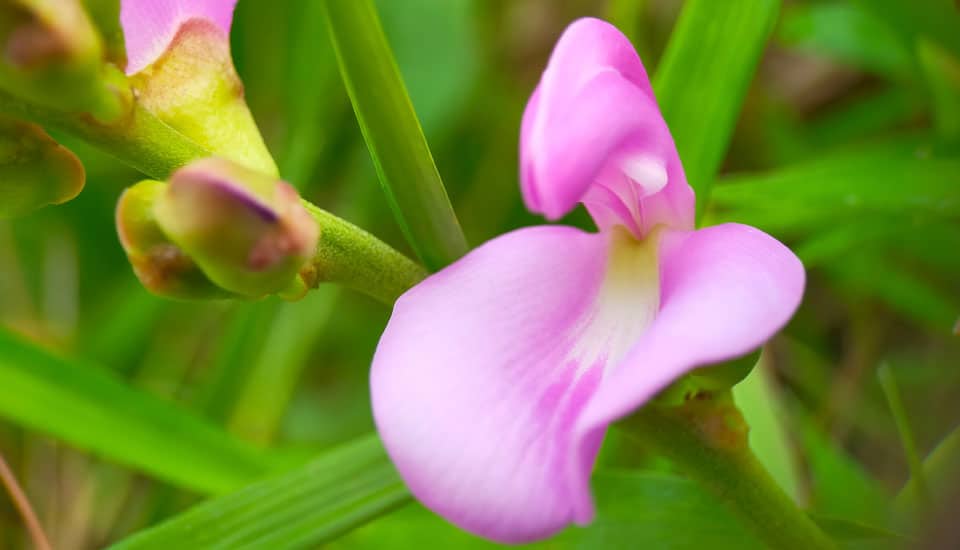
At the Toronto Functional Medicine Centre, our goal is to modify therapies for your needs. This might include prescribing plant-based remedies, such as rainforest-derived botanicals, to target nutrient deficiencies, oxidative stress, and more.
Have you heard of Brazilian superfoods known as PANCs (Plantas Alimentícias Não Convencionais)? These unconventional food plants are gaining recognition in the Western world for their nutritional value, antioxidants, and potential health benefits. Many have also been traditionally used by local Brazilian populations for nutritional and healing support.
Brazil is home to an estimated 3,000 non-conventional edible plant species, commonly known as PANCs. Researchers suggest that the country may have as many as 10,000 potentially edible plant species, many of which remain underexplored. These plants represent an important part of Brazil’s rich biodiversity, offering nutrients, bioactive compounds, and traditional culinary uses.
Despite this remarkable botanical diversity, global agriculture relies heavily on a relatively small number of crops. According to the Food and Agriculture Organization of the United Nations (FAO), just nine crops account for approximately 66% of total global crop production by weight, with staples such as rice, wheat, corn, and potatoes playing major roles in food production. Meanwhile, an estimated 7,000 to 30,000 plant species worldwide are considered edible, highlighting the vast number of lesser-known food plants that remain underutilized.
Brazilian PANCs offer opportunities to diversify diets and explore alternative sources of essential nutrients. Some contain valuable amounts of vitamins, minerals, dietary fibre, and naturally occurring antioxidant compounds, although their nutritional composition varies by species. As discussed in the International Journal of Multidisciplinary Research and Growth Evaluation, incorporating PANCs into diets may contribute to improved nutritional diversity and help address nutritional deficiencies in certain populations.
Brazilian researchers have also explored these plants for their antioxidant, anti-inflammatory, and other bioactive properties. What’s particularly interesting is that many PANCs have been part of traditional Brazilian food and healing practices for generations!
Though they’re edible and nutritious, many PANCs are not sold as grocery staples. Some grow wild, require little maintenance, and are packed with phytonutrients, vitamins, and minerals. What’s more, incorporating these plants into a balanced diet may support gut health, nutritional diversity, and the body’s natural physiological processes. Their bioactive compounds are also being studied for their potential roles in metabolic health and oxidative stress.
So, if you’re new to this topic, don’t worry – we list 10 types of Brazilian superfoods (PANCs) worth exploring. See below:
Top 10 PANCs To Discuss with Your Functional Medicine Provider
1. Ora-pro-nóbis (OPN)
What it is: A vine jam-packed with protein, iron, and fibre. The leaves are commonly added to soups, salads, and omelettes.
Tastes like: Mild and slightly tangy; may be consumed raw or cooked.
Potential health benefits: OPN could be advantageous for gut health (intestinal motility) and weight management due to its fibre content. It may also be suitable for supporting muscle health and recovery because of its protein and bioactive compounds. Brazilian researchers are exploring its antioxidant and anti-inflammatory properties, too.
Traditionally consumed by local Brazilian populations, OPN is gaining attention as a nutrient-rich plant-based food. It can act as an alternative ingredient in conventional recipes – one study published in Sustainability explored how OPN can be incorporated into baked goods to improve their nutritional and functional properties.
2. Taioba
What it is: A flowering plant similar to the Asian vegetable taro. The leaves and stems cannot be eaten raw – they must be properly cooked to reduce calcium oxalate crystals, which can cause irritation and may contribute to kidney stone risk in susceptible individuals.
Tastes like: A faint creamy taste; the leaves can be comparable to spinach.
Potential health benefits: Contains essential vitamins, several minerals (i.e. potassium, iron, zinc), and antioxidants. Its nutritional content may contribute to bone health, making it an interesting food to explore for individuals concerned about maintaining healthy bones as they age.
Taioba has been traditionally consumed in Brazilian communities, where its leaves are cooked and added to meals. Brazilian researchers have also examined its nutritional composition and starch properties. Though it contains nutrients associated with bone health, its ability to prevent osteoporosis has not been established.
3. Peixinho-da-horta
What it is: The edible leaves are soft and velvety, shaped like a lamb’s ears; the plant is a member of the mint family. It can grow in acidic soil, making it tolerant to periods of drought.
Tastes like: A fishy flavour when battered/fried.
Potential health benefits: Extracts from the plant contain flavonoids and phenolic acids, which have attracted attention for their antioxidant and anti-inflammatory properties. Laboratory research suggests these compounds may influence inflammatory processes, making peixinho-da-horta an interesting subject for studies involving joint comfort and skin health.
Traditionally enjoyed in Brazilian cuisine, this plant has also been studied for its natural antioxidant compounds. In fact, Brazilian researchers have explored peixinho-da-horta extracts for their ability to reduce lipid oxidation in food products.
4. Beldroega
What it is: A succulent with small yellow flowers and fleshy leaves; grows easily in warm climates; often found in gardens, sidewalks, or fields.
Tastes like: A refreshing lemony, salty flavour.
Potential health benefits: Beldroega has been traditionally used as both a food and a medicinal plant. Its nutritional compounds, including antioxidants and fatty acids, have attracted scientific interest for their potential roles in metabolic health.
Some studies suggest that beldroega extracts may contribute to improving insulin sensitivity and blood glucose regulation, making this plant an interesting subject for research involving type 2 diabetes.
It may also have antibacterial and antifungal properties. Laboratory studies have explored these effects, while traditional medicinal practices have included the plant in preparations intended to support skin and wound care. However, these findings do not establish beldroega as a treatment for diabetes or skin conditions.
5. Cambuci
What it is: Commonly found in southeast Brazil, this flattened green fruit contains few seeds, but its insides are mainly fleshy pulp; usually blended into juices and jams in Brazil.
Tastes like: A sweet and sour taste (like guava).
Potential health benefits: Antioxidants in this fruit may help support cellular health by contributing to the body’s natural defences against oxidative stress. Cambuci contains phenolic compounds that have attracted scientific interest for their potential role in protecting cells from oxidative damage.
A Food and Humanity paper explored the nutritional and bioactive composition of cambuci, reinforcing its potential value as a functional food.
Traditionally consumed in southeastern Brazil, cambuci is becoming increasingly recognized for its nutritional properties and potential health benefits.
6. Jambu
What it is: Dubbed the ‘toothache plant’ because it contains spilanthol, a compound that can lead to analgesic, numbing effects.
Tastes like: May result in a tingling sensation on the tongue due to its amounts of spilanthol; commonly added to traditional Amazonian soups.
Potential health benefits: Jambu has a long history of traditional use in Brazilian communities, particularly in the Amazon region. Local populations have used it in traditional preparations associated with oral comfort and healing support.
Its numbing effects have attracted interest for potential applications involving oral pain, sore throats, and discomfort. Spilanthol has also been investigated for its analgesic and anti-inflammatory properties.
Brazilian research continues to explore jambu’s antioxidant compounds and potential medicinal properties, although more human studies are needed to establish its therapeutic applications.
7. Araruta
What it is: Its starch content is extracted from underground rhizomes; usually used for puddings, porridges, and biscuits; acts as a natural thickener for soups and sauces.
Tastes like: Light flavour with a silky texture, similar to cornstarch but easily digestible.
Potential health benefits: Araruta has traditionally been used in Brazilian food preparations, particularly for people seeking easily digestible meals.
Its starch has been used in traditional preparations intended to soothe digestive discomfort, including diarrhea, nausea, and gastrointestinal irritation. These uses have encouraged interest in its potential role in digestive wellness, although clinical evidence for treating specific gastrointestinal conditions remains limited.
Araruta may also be used as an alternative to wheat flour, making it a versatile ingredient for people interested in plant-based foods and dietary diversity.
8. Saputá
What it is: Yellow-orange fruit and heart-shaped leaves thrive on this fast-growing tropical tree; both local communities and wildlife rely on the fruit’s fleshy pulp.
Tastes like: A unique combination of pumpkin, apricot, and mango.
Potential health benefits: Saputá is a lesser-known Brazilian fruit that has attracted interest for its traditional uses and nutritional potential.
Brazilian native fruits have a history of use in local food and wellness practices, and researchers continue to investigate their bioactive compounds. Some traditional plant preparations have been associated with relaxation, respiratory comfort, and general healing support.
However, scientific evidence specifically establishing saputá’s effects on anxiety, stress, depression, or respiratory conditions remains limited. Further studies are needed to better understand its nutritional composition and potential health benefits.
9. Murici
What it is: These small spherical fruits have a cheese-like scent! The strong flavour and aroma can be off-putting, though this doesn’t affect the fruit’s nutritional value.
Tastes like: Tart and aromatic, slightly sweet and acidic; often used in ice creams, liqueurs, and jellies.
Potential health benefits: The fruit contains flavonoids, fatty acids, and antioxidant compounds that may contribute to protecting cells against oxidative stress.
Brazilian researchers have studied murici’s antioxidant activity, including its potential to protect red blood cells from oxidative damage under experimental conditions.
These findings have encouraged interest in murici’s potential role in cardiovascular health and lipid metabolism. However, its ability to lower LDL (bad) cholesterol or increase HDL (good) cholesterol in humans has not been established.
Traditionally consumed by Brazilian populations, murici is another example of how native fruits may contribute to nutritional diversity and plant-based wellness.
10. Feijão-de-porco
What it is: In English, the beans from this plant are called jack beans; these beans are part of the legume family and are often used as a green manure crop due to their ability to fix nitrogen, improve soil fertility, and control weeds.
Tastes like: A smoky aftertaste that pairs well with stews.
Potential health benefits: The seeds and leaves contain compounds with antibacterial and antifungal properties, possibly offering activity against microorganisms such as E. coli and Staphylococcus aureus, according to laboratory research.
Brazilian researchers have also explored this plant’s agricultural value, nutritional composition, and bioactive compounds. Its potential applications in sustainable agriculture and plant-based research continue to attract scientific interest.
Note: When raw or undercooked, these beans should not be eaten. They contain potentially harmful compounds that can cause nausea, vomiting, and other toxic effects. Specialized processing may reduce some of these compounds, but ordinary cooking or fermentation should not be assumed to make them safe for consumption.
Acknowledging PANCs for Planetary Care
Adding PANCs to your treatment plan isn’t just about embracing natural health – it’s about making a difference on our planet. Biodiversity is imperative for thriving ecosystems, and PANCs include native and often underutilized plant species. Growing and consuming them can help preserve genetic diversity in agriculture, helping ecosystems improve resilience to pests, diseases, and climate change.
Unlike many industrial crops, certain PANCs can be cultivated with relatively low requirements for irrigation, fertilizers, or pesticides. By cultivating these plants using sustainable agricultural practices, farmers may reduce chemical inputs, conserve water, and lower soil and water contamination.
Adopting PANCs can also help preserve traditional Brazilian food knowledge and cultural practices. Many local and Indigenous communities have maintained knowledge of native edible plants for generations, while deforestation has threatened biodiversity and traditional ways of life.
Brazilian agricultural researchers have also explored how unconventional edible plants can contribute to more diverse food systems, including their potential use in school meals and sustainable agriculture.
That being said, if you’d like to learn more about our plant-based medicine and how we embrace environmental sustainability, visit us today.
Suggested reading: The Gut-Brain Connection: A Functional Medicine Toronto FAQ Sheet
Experience Personalized and Preventative Medicine Today
Ramping up your wellness can be exhilarating, potentially boosting energy, mental clarity, and nervous system regulation. When you tackle biological shortcomings, this may help address factors associated with brain fog and blood sugar regulation. Overall, personalized medicine treatments do not just focus on symptom relief – they’re part of a whole-body approach to supporting your mind and body.
At the Toronto Functional Medicine Centre, our practitioners adhere to the principles of integrative functional medicine. This includes combining allopathic/western medicine with botanicals from the rainforest and Traditional Chinese Medicine, strategies for hormone optimization (i.e. bio-identical hormones), IV vitamin therapy, and other modalities.
Our client-centred approach is designed to empower patients in reaching their potential. Here’s how:
-
- We give you ample time for appointments so that you can comfortably comprehend diagnostic testing, your condition, lifestyle modifications, and the rationale behind prescribed therapies.
- We customize treatment options so that you have several health strategies to draw from. This helps you control symptom relief outside of our clinic, inspiring you to take control of your own wellness.
- All therapies offered by us are tailored just for you. Think of it this way – your doses of nutritional / botanical supplementation and IV nutrient therapy drips are prescribed for your biology only!
We offer personalized guidance on the use of botanical medicine. Our botanical preparations are ethically sourced and may be customized to individual needs and preferences, with options including teas, capsules, topical formulations, oils, and more.
Plant-based remedies can be integrated into a tailored lifestyle strategy – scroll down for our contact info or click here to email your meeting request with our Toronto functional medicine providers.
Disclaimer
The information in this article is designed for educational purposes only and is not intended to be a substitute for informed medical advice or care. This information should not be used to diagnose or treat any health problems or illnesses without consulting a doctor. You should always consult with a health care practitioner before relying on any information in this article or on this website. Never delay or disregard seeking professional medical advice from your doctor or other qualified healthcare provider because of information you have read from the Toronto Functional Medicine Centre website or other affiliate media.
Bibliography
- Cadernos de Ciência & Tecnologia (Embrapa). (2025). O negócio das PANCs: estudo multicaso.
https://apct.sede.embrapa.br/cct/pt_BR/article/view/27639 - Cadernos de Ciência & Tecnologia (Embrapa). (2022). Reconhecimento e determinação de compostos de interesse de PANCs.
https://apct.sede.embrapa.br/cct/es/article/view/26922 - Cadernos de Ciência & Tecnologia (Embrapa). (2025). Uso e conhecimento etnobotânico de plantas alimentícias negligenciadas.
https://apct.sede.embrapa.br/cct/pt_BR/article/view/27808 - E., Bárbara, et al. “Valorization of Taioba Products and By-Products: Focusing on Starch.” Foods, vol. 13, no. 15, 2024, p. 2415.
https://doi.org/10.3390/foods13152415. Accessed 20 Oct. 2025. - Editora, Atena. “Unconventional Food Plants (PANCs): A Review.” Atena Editora, 2021.
- Empresa Brasileira de Pesquisa Agropecuária (Embrapa). (2025). Composição nutricional e potencial antioxidante de PANCs. Embrapa Alice Repository.
https://www.alice.cnptia.embrapa.br/alice/handle/doc/1185740 - Food and Agriculture Organization of the United Nations (FAO). Biodiversity for Food and Agriculture in Brazil.Rome: FAO, 2018.
http://www.fao.org - Food and Agriculture Organization of the United Nations (FAO). (2019). The State of the World’s Biodiversity for Food and Agriculture.
https://www.fao.org/3/CA3129EN/CA3129EN.pdf - Kinupp, Valdely Ferreira, Inês Berger de Barros, and I. Barros. “Plant Species from the Brazilian Flora as a Source of Food: A Review.” Acta Botanica Brasilica, vol. 24, no. 2, 2010, pp. 263–272. SciELO.
https://doi.org/10.1590/S0102-33062010000200002 - Kinupp, Valdely Ferreira, and Harri Lorenzi. Plantas Alimentícias Não Convencionais (PANC) no Brasil. Nova Odessa, SP: Instituto Plantarum, 2014.
- Lima, Andréa A. S., et al. “Nutritional and Bioactive Composition of Campomanesia Phaea and Its Current Technological Applications.” Food and Humanity, vol. 5, 2025, p. 100783.
https://doi.org/10.1016/j.foohum.2025.100783. Accessed 20 Oct. 2025. - Mariutti, Lilian R., et al. “The Amazonian Fruit Byrsonima Crassifolia Effectively Scavenges Reactive Oxygen and Nitrogen Species and Protects Human Erythrocytes against Oxidative Damage.” Food Research International, vol. 64, 2014, pp. 618–625.
https://doi.org/10.1016/j.foodres.2014.07.032. Accessed 20 Oct. 2025. - Ministério do Meio Ambiente. Plantas Alimentícias Não Convencionais (PANCs): Guia de Identificação e Uso Sustentável. Brasília: MMA, 2019.
- “Nutritional and Antioxidant Property of Non-Conventional Food Plants (PANCs) and Use in Eating Habits: Review.” Seven Publishing – Editora.
https://sevenpubl.com.br/editora/article/view/707/807. Accessed 15 Oct. 2025. - Padmavathi, D. “A Study on Nutritional and Health Importance of ‘Sapotas’.” International Journal of Food Science and Nutrition, vol. 3, no. 1, Jan. 2018, pp. 184–187.
https://www.foodsciencejournal.com/assets/archives/2018/vol3issue1/3-4-63-184.pdf - Ranieri, Guilherme R., et al. “Large-scale Production of Non-conventional Edible Plants for Biodiverse School Meals.” Frontiers in Nutrition, vol. 11, 2024, p. 1282618.
https://doi.org/10.3389/fnut.2024.1282618. Accessed 17 Oct. 2025. - Rossi, Pedro Henrique Silva de, and Juliana Audi Giannoni. “Unconventional Food Plants (PANCs) and Their Use in Food: A Review.” International Journal of Multidisciplinary Research and Growth Evaluation, vol. 4, no. 3, May–June 2023, pp. 973–976.
DOI: 10.54660/.IJMRGE.2023.4.3.973-976. - Silva, Luciene D., et al. “Sustainable Integration of Ora-Pro-Nobis (Pereskia Aculeata Miller) in Gluten-Free and Lactose-Free Sweet Bread: Impacts on Quality and Functional Properties.” Sustainability, vol. 17, no. 3, 2025, p. 1338.
https://doi.org/10.3390/su17031338. Accessed 19 Oct. 2025. - Silva, Maria, Verônica Almeida, Nathália Brito, Sahra Trelha, Flávia Cardoso, and Adriana Droval. “Lipid Oxidative Stability of Fresh Pork Sausages Enriched With Peixinho Da Horta (Stachys byzantina K. Koch) Extracts Obtained via Natural Deep Eutectic Solvents (NADES).” Journal of Food Science, vol. 90, 2025.
https://doi.org/10.1111/1750-3841.70345 - Uddin, M. K., et al. “Nutritional and Medicinal Values of Portulaca oleracea L.” Journal of Medicinal Plants Research, vol. 6, no. 14, 2012, pp. 225–235.
- Vieira, Renata F., et al. “Edible Plants of the Brazilian Biodiversity: Rich Sources of Bioactive Compounds.” Food Research International, vol. 80, 2016, pp. 62–70. Elsevier.
https://doi.org/10.1016/j.foodres.2015.12.018 - Xiao, Chuan, et al. “Crop Diversity Significantly Enhances Soil Carbon Sequestration via Alleviating Soil Inorganic Carbon Decline Caused by Rhizobium Inoculation.” Soil and Tillage Research, vol. 245, 2025, p. 106286.
https://doi.org/10.1016/j.still.2024.106286. Accessed 17 Oct. 2025. - Xu, Y., et al. “Antidiabetic Effects of Portulaca oleracea Extract: Antioxidant Mechanisms and Role in Insulin Resistance.” Journal of Ethnopharmacology, vol. 205, 2017, pp. 169–180.