
Methylene Blue and NAD+: What Research Says About Cellular Metabolism and Safety
POSTED BY TORONTO FUNCTIONAL MEDICINE CENTRE
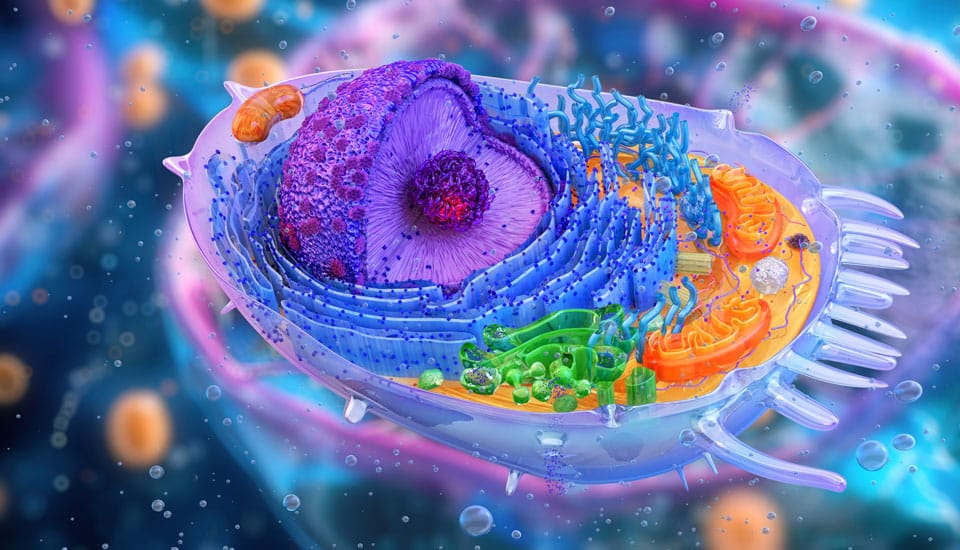
At the Toronto Functional Medicine Centre (TFMC), patients have recently asked about combining or alternating IV NAD+ with methylene blue infusions. Asking questions before undergoing a treatment is an important step toward understanding its potential risks, benefits, contraindications, and medication interactions.
Both nicotinamide adenine dinucleotide (NAD+) and methylene blue have attracted scientific interest because of their involvement in cellular metabolism. Researchers have investigated their respective roles in biological pathways associated with energy production and mitochondrial function. For example, a study published in the Journal of Orthopaedic Translation examined the effects of methylene blue on NAD+/NADH balance and mitochondrial pathways in the context of Achilles tendinopathy. The potential combination of methylene blue and IV NAD+ presents an intriguing area for further investigation, particularly given their distinct roles in cellular energy metabolism and mitochondrial function. Although their mechanisms suggest a theoretical basis for complementary effects, it remains unclear whether administering them together offers greater clinical benefits than either treatment alone. Further clinical research is essential to determine whether this combination produces meaningful synergistic effects, improves patient outcomes, and can be administered safely and effectively.
This article examines the available research, the limitations of current evidence, and important safety and regulatory considerations.
What Are NAD+ and Methylene Blue?
Understanding NAD+ and Its Role in Cellular Health
Nicotinamide adenine dinucleotide (NAD+) is a naturally occurring coenzyme found in virtually every cell of the body.
NAD+ participates in hundreds of biochemical reactions, including:
-
- Energy production: NAD+ helps transfer electrons during metabolic reactions involved in generating ATP (adenosine triphosphate).
- Mitochondrial functioning: It participates in cellular pathways essential for mitochondrial energy metabolism.
- DNA repair: NAD+ is involved in processes associated with maintaining cellular integrity.
- Brain function: NAD-dependent pathways contribute to neuronal metabolism and cellular signaling.
- Metabolic processes: NAD+ participates in the metabolism of carbohydrates, fats, and proteins.
Research suggests that NAD metabolism can change with biological aging, although these changes vary across tissues and individuals. Chronic stress, inflammation, illness, and lifestyle factors may also influence metabolic health and NAD-related pathways.
Because of its biological importance, NAD+ has become an area of interest in aging research and integrative functional medicine. While NAD+ is essential for normal cellular functioning, though, evidence that IV NAD+ supplementation improves energy levels, cognitive performance, or longevity in otherwise healthy individuals is limited.
Understanding Methylene Blue and Mitochondrial Function
Methylene blue (MB) is a synthetic compound with established medical applications and a history of scientific research.
At the cellular level, methylene blue has unique oxidation-reduction properties that have attracted attention in mitochondrial research. To understand this concept, imagine your cellular energy production system as a busy highway. Electrons travel through a series of pathways within the mitochondria, contributing to the production of ATP, the body’s primary cellular energy currency. In certain experimental conditions, methylene blue can participate in electron-transfer reactions, potentially influencing mitochondrial activity.
Laboratory and preclinical studies have investigated whether low concentrations of methylene blue may influence:
-
- Mitochondrial electron transport
- Cellular energy metabolism
- Oxidative stress pathways
- Cellular resilience
- Neurological and cognitive processes
These findings are scientifically interesting and promising, suggesting that methylene blue IV therapy may have potential benefits for mitochondrial efficiency, neurological health, and cognitive performance. However, further clinical research is needed to establish these effects in patients. Methylene blue also has important medication interactions and contraindications, making professional medical assessment essential before treatment.
Potential Benefits of IV NAD+ and Methylene Blue: What Emerging Research Suggests
Scientific studies investigating NAD+ and methylene blue have highlighted several promising biological effects, particularly in cellular energy metabolism, mitochondrial function, cognitive performance, and healthy aging. Although research into their combined administration is still evolving, their distinct yet potentially complementary mechanisms offer an exciting area for continued scientific exploration.
Current research suggests several potential benefits of IV NAD+ therapy and methylene blue, including:
-
- Potential Support for Cellular Energy and ATP Production: NAD+ plays an essential role in cellular energy metabolism, while methylene blue has demonstrated effects on mitochondrial electron transport in experimental studies. These findings suggest potential complementary mechanisms for supporting cellular energy processes.
- Potential Enhancement of Mitochondrial Function: Research has explored how NAD+ availability and methylene blue’s redox activity influence mitochondrial processes. These mechanisms provide a scientific rationale for investigating their potential roles in mitochondrial efficiency and cellular resilience.
- Potential Cognitive and Brain Health Benefits: Human studies of methylene blue have explored effects on memory-related brain activity and cognitive performance, while NAD+ is involved in neuronal energy metabolism and cellular maintenance. Together, these findings create opportunities for further research into cognitive health and neurological function.
- Potential Support for Healthy Aging and Cellular Resilience: NAD+ is involved in DNA repair, metabolic regulation, and cellular maintenance pathways. Methylene blue has also been investigated for its effects on cellular oxidative processes. These findings have generated scientific interest in their potential applications in healthy aging research.
- Potential Benefits for Physical Recovery and Metabolic Function: Because both compounds interact with biological pathways involved in energy metabolism, researchers may investigate their relevance to exercise recovery, metabolic resilience, and physical performance. Clinical benefits for these outcomes have not yet been established.
- Potential Complementary Effects When Combined or Alternated: The different biological mechanisms of NAD+ and methylene blue provide a compelling rationale for exploring whether combined or alternating administration may influence multiple aspects of mitochondrial and cellular metabolism. Studies directly evaluating the clinical benefits and safety of these specific IV treatment strategies are still needed.
At the Toronto Functional Medicine Centre, discussions about NAD+ and methylene blue are approached through an individualized clinical assessment that considers the available scientific evidence, medical history, and potential safety concerns.
Why Timing NAD+ and Methylene Blue IV Matters
Patients sometimes ask whether methylene blue and IV NAD+ therapy should be administered together, on separate days, or alternated over several weeks. The timing and frequency of these treatments are important considerations, particularly when exploring how their different biological mechanisms may interact.
Some functional medicine providers may offer these therapies individually or as part of a combined treatment approach. When considering treatment schedules, healthcare practitioners may evaluate several factors, including individual health needs, medical history, medication interactions, treatment tolerance, and the potential effects of administering the compounds together or separately.
Further research may help clarify how different administration schedules influence their biological activity and potential clinical outcomes. In the meantime, several considerations can inform treatment planning:
-
- To Better Understand Individual Treatment Responses: Administering IV NAD+ and methylene blue on separate visits at first will allow healthcare practitioners to evaluate how a patient responds to each treatment individually. This approach can provide useful insights into treatment tolerance, potential side effects, and individual responses. These observations may help practitioners make more informed decisions about treatment timing, frequency, and whether combining or alternating the therapies is appropriate for a patient’s specific health needs.
- Because Both Compounds Influence Mitochondrial Activity: NAD+ and methylene blue are involved in different aspects of cellular metabolism. NAD+ participates in biochemical reactions associated with mitochondrial energy production, while methylene blue has been studied for its potential influence on electron-transfer pathways. Because these compounds act through different but potentially complementary biological mechanisms, researchers have a scientific rationale for investigating whether their combined administration could produce synergistic effects on mitochondrial function and cellular energy metabolism. Although current research remains inconclusive, it’s possible that combining or alternating these therapies may offer complementary benefits. Further human studies are needed to better understand these potential interactions and determine how treatment timing and administration schedules might influence their effects.
- To Responsibly Monitor for Side Effects: Safety monitoring is an important consideration for any IV therapy. Depending on the formulation, dose, and infusion rate, intravenous NAD+ may be associated with symptoms such as:
-
- Nausea
- Abdominal discomfort
- Flushing
- Light-headedness
- Infusion-related discomfort
Methylene blue may cause:
-
- Blue or green discoloration of urine
- Nausea or gastrointestinal symptoms
- Headache or dizziness
- Changes in blood pressure
- Potentially serious medication interactions
Methylene blue may also cause serious adverse reactions, including serotonin syndrome when combined with certain medications and hemolysis in individuals with G6PD deficiency. The potential risks of IV administration must be considered independently of the proposed benefits. For these reasons, the timing, suitability, and monitoring of any IV intervention should be determined by an appropriate healthcare professional.
Stacking Methylene Blue and NAD+ IV Therapies: Limitations of Current Evidence
Intravenous therapies, such as NAD+ and methylene blue, have attracted growing interest within functional medicine, particularly among patients exploring approaches to cellular health, energy metabolism, and overall wellness. Some practitioners have incorporated these treatments into individualized care plans when deemed appropriate, recognizing that potential patient health effects may vary from person to person. Though scientific studies have not yet reached definitive conclusions about their combined benefits, ongoing interest in their potentially complementary effects provides opportunities for further clinical research.
At the TFMC, careful clinical evaluation remains an important part of considering these therapies. Individual health needs, medical history, potential medication interactions, treatment tolerance, and the regulatory status of intravenous formulations are important deliberations when developing a suitable treatment plan.
Important Safety Considerations
Keep in mind, NAD+ IV therapy requires individualized evaluation. Additionally, methylene blue may be inappropriate for individuals with certain medical conditions or medication exposures.
Particular considerations include:
-
- G6PD deficiency: Methylene blue may cause hemolytic anemia in individuals with glucose-6-phosphate dehydrogenase deficiency.
- Serotonergic medications: Methylene blue can inhibit monoamine oxidase A and may precipitate serotonin syndrome when combined with SSRIs, SNRIs, certain antidepressants, opioids, and other serotonergic substances.
- Kidney or liver conditions: Impaired organ function may affect treatment suitability and require additional precautions.
- Pregnancy and breastfeeding: Potential risks and limited safety data require particular caution.
- Medication interactions: A complete medication and supplement review is necessary before considering treatment.
Individuals managing chronic health conditions, undergoing cancer treatment, taking multiple medications, or experiencing pregnancy or breastfeeding may benefit from additional clinical considerations when exploring IV therapies. A personalized assessment allows healthcare practitioners to review each patient’s medical history, current treatments, and individual health needs, particularly where safety research remains limited.
For patients taking medications for diabetes or other metabolic conditions, reviewing their medical history and medication regimen can help practitioners identify relevant precautions and assess potential interactions.
Methylene blue and IV NAD+ therapy may be explored as part of an individualized wellness approach, where clinically appropriate, alongside established medical care rather than as replacements for prescribed treatments. Understanding the differences between established medical applications and emerging areas of research helps patients make informed decisions. A qualified healthcare professional can also provide guidance on treatment suitability, potential risks, medication interactions, and applicable regulatory requirements.
Understanding Personalized Assessments at the Toronto Functional Medicine Centre (TFMC)
At the Toronto Functional Medicine Centre, we recognize that individuals may have questions about mitochondrial health, NAD metabolism, and emerging areas of functional medicine research. Our approach begins with a comprehensive assessment rather than assuming that a particular IV therapy is appropriate for every patient.
Suggested reading: NAD+ IV Therapy and Neuroplasticity: Exploring the Emerging Research in Toronto
Here are some aspects of our integrative functional medicine services:
1 Individualized Health Assessments
Our clinical team reviews relevant aspects of your health, including medical history, current symptoms, medications, lifestyle habits, nutritional status, and health goals. Where appropriate, this evaluation may include a discussion of NAD+ metabolism, mitochondrial health, and the scientific evidence surrounding different interventions. A consultation does not guarantee a prescription or access to a particular IV therapy.
2. Personalized Nutrition and Wellness Planning
Our functional medicine approach emphasizes individualized recommendations that may include:
-
- Mediterranean-style nutrition and balanced dietary habits
- Nutritional assessment and supplementation when indicated
- Physical activity and resistance training
- Sleep optimization
- Stress management
- Cardiovascular and metabolic health assessment
Our clinic also provides information about nutritional supplements, NAD precursors, plant-based remedies, and mineral and vitamin supplementation, where appropriate. Any prescription or intravenous treatment must be clinically justified and comply with applicable professional and regulatory requirements.
3. Access to Complementary Wellness Services
The Toronto Functional Medicine Centre shares a location with Supernatural Yorkville, where patients may independently explore additional wellness services. These include RE:SET frequency meditation sessions, light pod therapy, and hair restoration services. The availability of these services does not establish that they treat medical conditions or enhance the effects of NAD+ or methylene blue.
Our Commitment to Patient Safety
At the Toronto Functional Medicine Centre, patient safety, informed consent, and individualized assessment are central to our approach.
Intravenous services, where clinically appropriate and legally authorized, are provided within the applicable professional scopes of practice and regulatory requirements. IV therapy is not a replacement for balanced nutrition, regular exercise, adequate sleep, stress management, or conventional medical care.
Learn More About Methylene Blue and NAD IV Therapy in Toronto
If you’re interested in understanding NAD+ metabolism, methylene blue, mitochondrial function, or the science behind IV therapy, our team can help you explore the available evidence. A personalized functional medicine consultation provides an opportunity to discuss your health concerns, review potential risks and contraindications, and consider appropriate evidence-informed options.
Interested in learning more? Contact the Toronto Functional Medicine Centre or use the consultation request button below to arrange an individualized health assessment.
Disclaimer: This article is intended for general educational purposes only and does not constitute medical advice or a recommendation to use methylene blue, NAD+ IV therapy, or any combination of intravenous treatments. The potential benefits discussed in laboratory or preclinical research have not necessarily been demonstrated in human clinical trials. Treatment suitability, regulatory authorization, and safety must be assessed individually by an appropriately qualified healthcare professional.
References
Atamna, Hani, et al. “Combined Activation of the Energy and Cellular-defense Pathways May Explain the Potent Anti-senescence Activity of Methylene Blue.” Redox Biology, vol. 6, 2015, pp. 426-435, https://doi.org/10.1016/j.redox.2015.09.004. Accessed 5 Aug. 2026.
Jiang H, Li J, Qin T, Tan G, Zhuang J, Zhang Z, Xu X, Liu Z, Chen F, Yan W, Wu R, Chen X, Jiang Y, Shi D. Methylene blue restores NAD+/NADH homeostasis to attenuate Achilles tendinopathy via activating AIF/Mitochondrial respiratory chain complex I. J Orthop Translat. 2026 Apr 20;58:101085. doi: 10.1016/j.jot.2026.101085. PMID: 42058931; PMCID: PMC13122246.
Lawler, Moira. “NAD+: Potential Benefits, Known Risks, and More.” Everyday Health, 23 Sept. 2025, https://www.everydayhealth.com/diet-nutrition/nad-potential-benefits-risks-and-more/. Accessed 5 Aug. 2026.
McReynolds MR, Chellappa K, Baur JA. Age-related NAD+ decline. Exp Gerontol. 2020 Jun;134:110888. doi: 10.1016/j.exger.2020.110888. Epub 2020 Feb 22. PMID: 32097708; PMCID: PMC7442590.
Ogbonna, Emmanuella. “7 Medications That You Should Not Combine With NAD+.” Health, 11 Mar. 2025, https://www.health.com/medications-not-to-mix-with-nad-11685772.
Ostrovsky A, Afzal M. Methylene Blue. [Updated 2026 Jan 2]. In: StatPearls [Internet]. Treasure Island (FL): StatPearls Publishing; 2026 Jan-. Available from: https://www.ncbi.nlm.nih.gov/books/NBK557593/
Palmer, Raymond D., and Mauro Vaccarezza. “Nicotinamide Adenine Dinucleotide and the Sirtuins Caution: Pro‐Cancer Functions.” Aging Medicine, vol. 4, no. 4, 2021, p. 337, https://doi.org/10.1002/agm2.12184. Accessed 5 Aug. 2026.
Wen, Y., Li, W., Poteet, E. C., Xie, L., Tan, C., Yan, L. J., … & Yang, S. H. (2011). Alternative mitochondrial electron transfer as a novel strategy for neuroprotection. Journal of Biological Chemistry, 286(18), 16504–16515. https://doi.org/10.1074/jbc.M110.208447